
Humanitäre Hilfe

Hoffnung in der Krise

Hoffnung in der Krise: Humanitäre Hilfe mit Adiyuva

Wenn das Leben aus den Fugen gerät, zählt jede Sekunde.

Klimakatastrophen, bewaffnete Konflikte, Hunger, Epidemien – weltweit geraten Millionen Menschen in existenzielle Not. Für über 290 Millionen Menschen ist humanitäre Hilfe längst kein vorübergehender Ausnahmezustand mehr, sondern bitterer Alltag.

Adiyuva steht diesen Menschen zur Seite – mit sofortiger Nothilfe, langfristiger Unterstützung und einem klaren Versprechen: Kein Mensch soll vergessen werden.

Was wir tun – schnell, direkt, wirksam

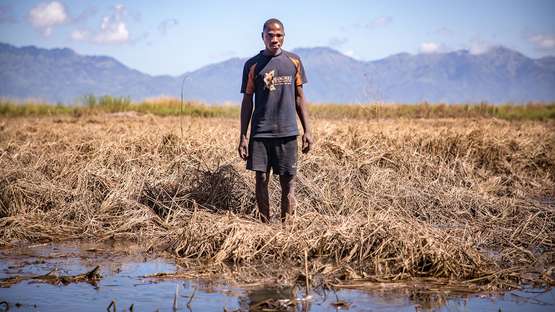
Südsudan

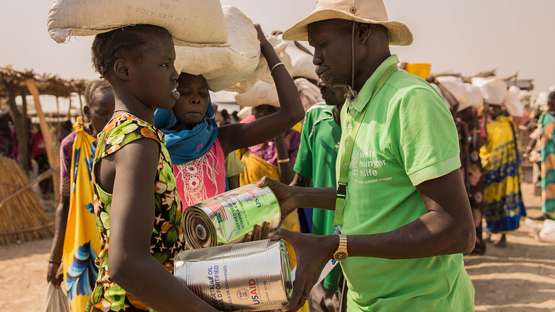
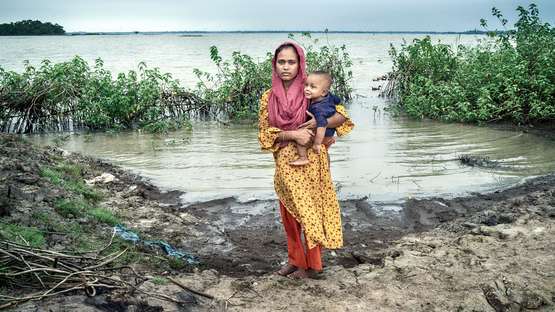
Wiederholte Überschwemmungen haben ganze Dörfer zerstört – wir liefern Nahrung, sauberes Wasser und bauen neue Unterkünfte.

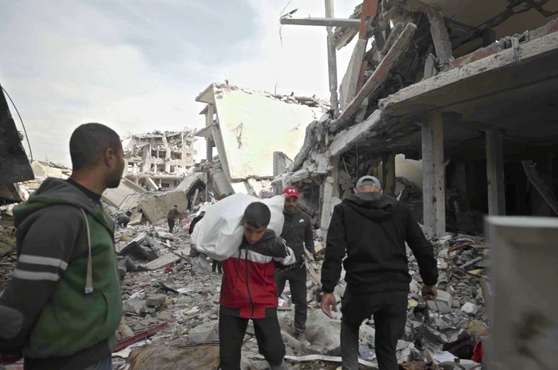
Gaza

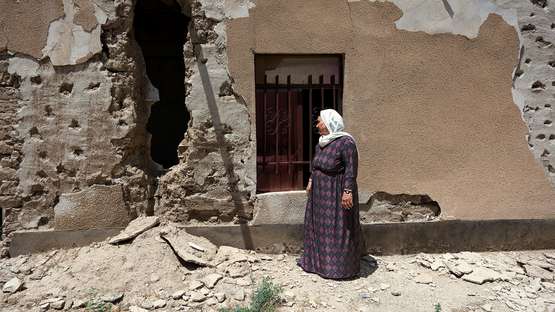
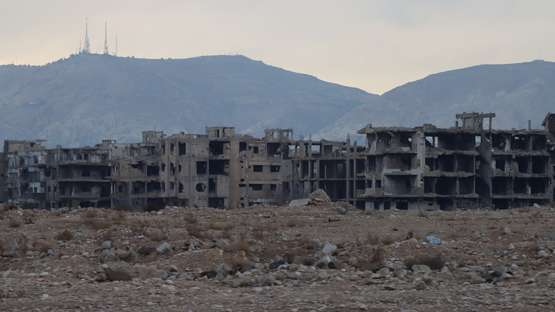
Zivile Infrastruktur wurde gezielt zerstört, Hilfslieferungen werden blockiert – wir kämpfen für Zugang zu medizinischer Versorgung und Grundnahrungsmitteln.

Jemen

Nach Jahren des Bürgerkriegs herrschen Hunger, Cholera und Perspektivlosigkeit – wir leisten lebensrettende Nothilfe und stärken lokale Gesundheitsstrukturen.

Haiti

Erdbeben, politische Instabilität und Armut – wir verteilen Saatgut, unterstützen Kleinbäuerinnen und helfen beim Wiederaufbau.

Horn von Afrika

Dürreperioden treiben Millionen in den Hunger – wir sichern Ernährung und bauen Frühwarnsysteme auf.

Mehr als Erste Hilfe: Resilienz statt Abhängigkeit

Humanitäre Hilfe endet bei uns nicht mit der Nahrungsverteilung. Adiyuva setzt auf vorausschauende und nachhaltige Maßnahmen:

– Frühwarnsysteme gegen Naturkatastrophen

– Katastrophenvorsorge-Trainings in gefährdeten Regionen

– Verteilung von dürreresistentem Saatgut, Brunnenbau, Aufbau lokaler Märkte

Unsere Hilfe bedeutet: Menschen können bleiben, wo sie zuhause sind – sicherer, widerstandsfähiger, selbstbestimmter.

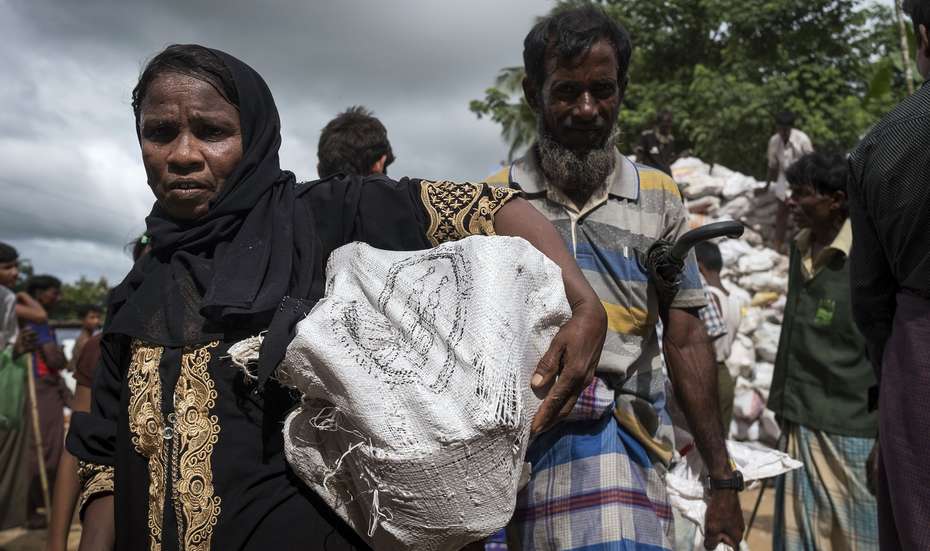
Bangladesch – Würde in der Krise

In den Flüchtlingscamps von Cox’s Bazar, wo über eine Million Rohingya Schutz suchen, verteilen unsere Partner täglich lebenswichtige Hilfsgüter. Eine Frau erzählt:

„Ich musste mein Zuhause verlassen. Aber hier bekam ich nicht nur Nahrung – ich wurde gehört.“

Warum wir handeln müssen – jetzt

Unsere Antwort darf nicht Stillstand sein – sie muss Solidarität heißen. Nicht irgendwann. Jetzt.

Menschlichkeit braucht Ihre Entscheidung

Unterstützen Sie unsere humanitäre Arbeit – mit Ihrer Spende.
Ob 20 Euro für ein Hygienepaket oder 100 Euro für eine Notunterkunft: Jeder Beitrag rettet Leben.

Humanitarian aid is about supporting people in life-threatening emergencies and helping them survive in the face of crisis. These crises can be triggered by natural disasters, violent conflicts such as wars or insurgencies, or global health threats like pandemics.

When people lose everything and can no longer help themselves, humanitarian aid becomes essential. It provides urgent access to food, clean drinking water, safe shelter, medical care, and even legal assistance.

In such situations, those affected have the right to protection, assistance, and respect for their human rights. They are entitled to live with dignity—even in the middle of a crisis.

Humanitarian aid is always guided by the following core principles:

Humanitarian Principles

ADIYUVA is equally committed to delivering swift emergency and disaster relief when crises strike.

During acute emergencies, we collaborate with partners to deliver critical relief supplies to affected communities—such as in the refugee camps of Bangladesh, where over one million Rohingya refugees have fled violence in Myanmar.

Humanitarian aid focuses on these key actions:

Building Future Strength

ADIYUVA follows a resilience-based approach, working to strengthen communities so they can withstand and recover from future crises. Natural disasters are striking more often, especially in the world’s most vulnerable regions, leaving behind destroyed villages, failed harvests, hunger, disease, and loss of life.

By partnering with families and local organizations, ADIYUVA helps reduce these devastating impacts. We build flood-protection barriers, reinforce homes to withstand earthquakes, and ensure communities are better prepared when disasters strike. To avoid food shortages during droughts or other crises, we distribute drought-resistant seeds, establish irrigation networks, and construct wells to secure safe water.

Through these measures, communities become stronger, more self-reliant, and less vulnerable when emergencies occur.

Anticipatory Action

Take action early using forecasts and predictions—preventing crises from escalating into hunger, destruction, and loss of life.

Ready for Crises

Disasters affect communities differently. Depending on the region, people face unique challenges, but one impact is often the same: the loss of livelihoods and devastating consequences that cannot be managed alone.

Our disaster preparedness work focuses on reducing these risks by strengthening communities before crises strike. We design tailored emergency plans for areas that are frequently affected by disasters, allowing life-saving measures to be implemented much faster when an emergency occurs.

In addition, we pre-position essential relief supplies in strategic locations, ensuring they are available in the right quantities at the right time. Where pre-storage is not possible, we establish agreements with suppliers so that supplies can be delivered immediately when needed.

Our disaster preparedness efforts aim to deliver rapid and effective assistance to communities impacted by crises and disasters. © Thomas Rommel

Emergency Aid Logistics: Delivering Help to Earthquake Survivors

Crisis Response Suppor

Fast and effective assistance is critical for survival in crisis situations. With natural disasters and violent conflicts on the rise, ADIYUVA works to support people facing life-threatening emergencies. In conflict-affected areas, we strictly adhere to humanitarian principles to ensure access to vulnerable populations.

During acute emergencies, we provide affected families with cash transfers or vouchers that allow them to purchase the items they need most. This approach gives people the freedom to choose—whether it’s food, medicine, or other essentials—while preserving their dignity.

In areas where markets have collapsed or are inaccessible, we deliver relief items directly. These include food supplies, hygiene kits, clean water, and building materials needed to repair or rebuild homes.

Emergency Aid

When disaster strikes and people are left with nothing, rapid and effective emergency support is essential to save lives.

Make your contribution to humanitarian aid now

Example: South Sudan – Devastating Floods

At the end of 2021, South Sudan was struck by catastrophic flooding. Thousands were displaced from their homes and now rely heavily on humanitarian assistance to survive and rebuild their lives.

How ADIYUVA Delivers Humanitarian Aid

How We Help

ADIYUVA’s work is guided by one core principle: helping people help themselves. Our goal is to rapidly improve living conditions in acute emergencies while laying the foundation for long-term stability.

We work hand-in-hand with affected communities, strengthening their ability to recover and preparing them for future crises and disasters. By promoting self-reliance, we ensure that the impact of our support extends far beyond the immediate emergency.

Our humanitarian aid focuses on the following key areas:

We distribute emergency food supplies, provide cash or vouchers for families to buy essentials, and support local farmers with seeds and tools to restart food production quickly.

Our teams set up water points, repair damaged wells, distribute hygiene kits, and run awareness campaigns to prevent the spread of disease in disaster-affected areas.

ADIYUVA provides temporary shelters, tents, and safe spaces for displaced families. We also support rebuilding efforts to restore homes and community infrastructure.

We work with partners to deliver mobile clinics, medical supplies, and child protection services. Our teams also support survivors of violence and vulnerable groups.

We design programs that not only meet immediate needs but also build resilience—such as climate-smart agriculture, livelihood training, and disaster preparedness initiatives—ensuring communities can recover and thrive.

Discover More Below

Image hover effect image

Early Crisis Response
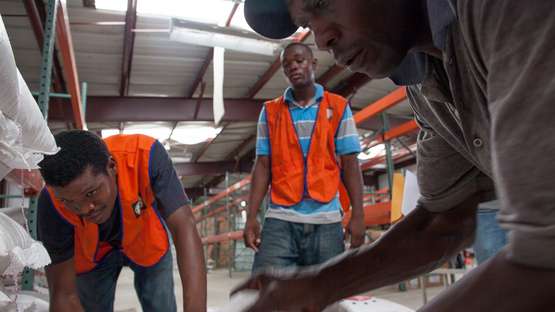
Image hover effect image

Ready for Crises

Image hover effect image

Crisis Relief Approach

Image hover effect image

Advocating for Humanity

Image hover effect image

Crisis Response Partnerships

Image hover effect image

Relief for Fragile States

Image hover effect image

Investing in Futures

Image hover effect image

Working Towards Progress

Image hover effect image

Global Vulnerability Report

Image hover effect image

Conflict Fuels Hunger

Threat in Gaza

Hundreds of thousands are at risk of starvation. ADIYUVA is delivering ready-to-eat meals and therapeutic food for malnourished children, along with other life-saving aid.

Two Years of Conflict Push 26 Million Into Starvation

Two Years of Conflict Push 26 Million Into Starvation

After two years of brutal civil war, more than 26 million people…
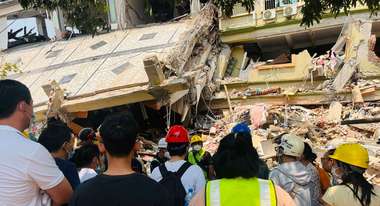
Powerful Earthquake Strikes Myanmar as Humanitarian Needs Surge

Powerful Earthquake Strikes Myanmar as Humanitarian Needs Surge

A devastating earthquake has struck Myanmar, toppling buildings and cutting off communities…
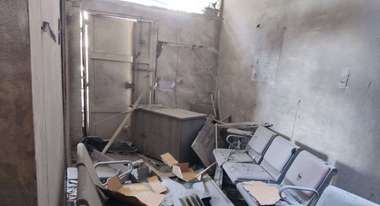
Airstrike Levels Vital Gaza Health Center, Thousands Affected

Airstrike Levels Vital Gaza Health Center, Thousands Affected

A vital medical facility in northern Gaza has been completely destroyed following…

Articles on the topic

Relief Supplies Reach Ganyiel by Air

Malick, an 11-year-old student from a small farming village in Niger, begins his school day on an empty stomach.

Videos on the topic

Hunger Factsheet

How many people go hungry every day? Where is hunger most widespread, and why? This factsheet explores the global hunger crisis, its root causes, and the regions most at risk.

UN Food Summit: Action

Healthy food is a basic right, yet millions still face empty plates. This briefing explores global promises made—and the urgent need to shift from declarations to real, on-the-ground action.

Policy Delay Hurts

The UN Finance Summit fell short on essential funding for food system reform. Greater, faster investment is urgently needed to support sustainable agriculture and end global hunger.

Publications & material on the topic