

Bildung
Bildung ist ein Menschenrecht – und doch oft unerreichbar
Mehr als 220 Millionen Kinder und Jugendliche weltweit besuchen keine Schule. Besonders in Teilen Afrikas, Südamerikas sowie im Nahen und Mittleren Osten bleibt Bildung für viele ein unerfüllter Traum. Armut, Konflikte, unzureichende Infrastruktur, soziale Ungleichheit und der Mangel an gut ausgebildeten Lehrkräften verschärfen diese Situation und rauben jungen Menschen ihre Chance auf eine bessere Zukunft.
Doch Bildung bedeutet weit mehr als Lesen, Schreiben und Rechnen. Sie eröffnet Perspektiven, schützt vor Ausbeutung, fördert Gesundheit und gibt Menschen die Fähigkeit, ihr Leben selbstbestimmt zu gestalten. Wer Zugang zu Bildung hat, hat auch Zugang zu Hoffnung und Würde – und die Möglichkeit, den Kreislauf von Hunger und Armut zu durchbrechen.
Barrieren auf dem Weg zur Bildung
Für viele Kinder ist der Schulbesuch keine Selbstverständlichkeit.
– Lange Schulwege durch unsichere oder infrastrukturschwache Gebiete
– Fehlende Schulmaterialien, Möbel oder geeignete Gebäude
– Kinderarbeit aufgrund wirtschaftlicher Not
– Benachteiligung von Mädchen, Kindern mit Behinderung oder ethnischen Minderheiten
– Frühe Heirat, Schwangerschaft oder soziale Ausgrenzung
– Krisen und bewaffnete Konflikte, die Schulen zerstören oder den Unterricht unmöglich machen
Unser Ansatz bei ADIYUVA e.V. – ganzheitlich & lokal verankert
ADIYUVA e.V. setzt sich dafür ein, dass jedes Kind – unabhängig von Herkunft, Geschlecht oder Lebenssituation – Zugang zu hochwertiger Bildung erhält. Dabei orientieren wir uns an internationalen Standards wie den UN-Nachhaltigkeitszielen (SDG 4) und arbeiten eng mit lokalen Partnern, Gemeinden und Bildungseinrichtungen zusammen.
Unsere Bildungsarbeit umfasst:
– Frühkindliche Förderung in sicheren Lern- und Betreuungsorten
– Schulbildung durch Bereitstellung von Lernmaterialien, Ausstattung und Unterstützung der Lehrkräfte
– Berufliche Ausbildung, abgestimmt auf lokale Bedarfe und Arbeitsmärkte
– Lebenskompetenztrainings zu Themen wie Gesundheit, Gewaltprävention, Konfliktlösung und Kinderrechten
– Förderung von Mädchen und inklusiver Bildung, um strukturelle Benachteiligung zu überwinden
Bildung ist mehr als Unterricht – sie schenkt Würde und Hoffnung
Ein Klassenzimmer kann ein sicherer Zufluchtsort sein. Ein einfaches Heft kann zum Schlüssel für ein neues Leben werden. Bildung vermittelt Kindern nicht nur Wissen, sondern auch Selbstvertrauen, Sicherheit und eine eigene Stimme.
Wenn ein Kind lernen darf, entstehen Chancen – für die Familie, die Gemeinschaft und ganze Gesellschaften. Ohne Bildung bleibt Armut oft ein Leben lang bestehen. Mit Bildung beginnt Entwicklung.
Gemeinsam Zukunft schenken – Ihre Spende wirkt
Ihre Unterstützung macht den Unterschied. Mit Ihrer Spende ermöglichen Sie:
- Den Bau und die Ausstattung von Schulen
- Die Bereitstellung von Büchern, Tischen, Stühlen und Tafeln
- Die Ausbildung und Schulung lokaler Lehrkräfte
- Die Förderung von Kindern aus besonders benachteiligten Gruppen
- Nachhaltige Veränderungen in den Gemeinden – von innen heraus
Jeder gespendete Euro trägt dazu bei, dass ein Kind lesen, schreiben und rechnen lernen kann – und damit die Chance auf ein freies, selbstbestimmtes Leben erhält.
Werden Sie Teil der Veränderung
Investieren Sie in das Wertvollste, was wir Kindern geben können: Bildung.
Helfen Sie mit, die Welt gerechter zu machen – Kind für Kind, Klasse für Klasse, Zukunft für Zukunft.
ADIYUVA’s education programs are made possible by the invaluable support of our donors, partners, and allies. Collaborating with educational institutions, community organizations, and development partners allows us to share knowledge, expand reach, and strengthen the quality of our learning initiatives. This collective effort benefits not just our supporters—but, most importantly, the children, youth, and communities we serve across our project countries.
In addition to individual contributions, a significant portion of our education work is supported by institutional donors. Equally essential is our commitment to raising public awareness about the barriers to education—from lack of infrastructure to social inequality—and the transformative solutions that offer lasting change.
Corporate partners, advocacy groups, youth clubs, influential supporters, and even sports networks all play a vital role in funding our educational efforts and amplifying our message. Together, we can accelerate access to education, empower future generations, and drive systemic change on a global scale
Why Education Matters
Education is far more than just attending school or reading textbooks. It is a powerful tool that shapes individuals, strengthens communities, and drives sustainable development. Around the world, access to quality education remains unequal — yet its impact reaches every part of life. Education opens doors to opportunity, improves health outcomes, and empowers people to break the cycle of poverty.
Acute Education Crisis:An acute education crisis arises when access to learning is suddenly and severely disrupted. This often occurs in emergency situations such as armed conflict, natural disasters, or displacement caused by climate events. Children and youth affected by these crises face an immediate loss of schooling, which can have long-term impacts on their development, safety, and future opportunities.
Contents
- What is Education?
- Who Lacks Access?
- Why Kids Miss School?
- Where Gaps Are Largest
- Conflict Disrupts Education
- Global Learning Gaps
- Impacts of Illiteracy
- Teachers in Crisis
Hidden Education Gap:
The hidden education gap occurs when students appear to be enrolled in school but lack access to quality learning. They may attend class regularly, yet receive poor instruction, outdated materials, or face overcrowded classrooms. Just like hidden hunger, the effects aren’t immediately visible — but over time, they severely impact a child’s cognitive development, self-confidence, and future opportunities.
This silent crisis is especially harmful to marginalized communities, where barriers like poverty, language, and gender inequality go unaddressed. In the long term, hidden education gaps weaken a nation’s workforce, hinder innovation, and hold back social and economic progress.
Education Worldwide
By 2024, one in every twelve children worldwide lacked access to quality education — leaving an estimated 673 million young learners without the tools individuals suffering from.
© ADIYUVA
The education crisis is rooted in a complex web of social, economic, and geographic inequalities — and it is most visible in rural areas. Despite their vital role in community development, rural regions are home to the majority of children who lack access to quality education. In fact, three out of every four out-of-school children live in the countryside. Many families rely on small-scale farming, and limited infrastructure, teacher shortages, and poverty further deepen the education gap
Land degradation, shrinking grazing areas, and the steady displacement of Indigenous communities who depend on forests for survival are compounding the crisis. At the same time, landless laborers working for low wages face daily uncertainty and growing food insecurity. Decades of underinvestment in rural development have left these communities increasingly vulnerable — and urgently in need of support.
Children at Greatest Risk
Children are among the most vulnerable in the global education crisis. In many traditional and rural societies, deep-rooted structural inequalities leave women and girls with limited access to education, decision-making, or financial independence. With the burden of household responsibilities and caregiving, many mothers and young girls are unable to pursue or prioritize formal learning.
This results in widespread educational disadvantage—especially in times of crisis or instability. A lack of access to schools, qualified teachers, and awareness about the importance of education further deepens the divide. As a result, millions of children face poor learning outcomes, restricted development, and fewer opportunities for a better future.
Since its founding, ADIYUVA has worked closely with vulnerable rural families—especially women and girls—to promote inclusive, equitable, and quality education. Our mission: to ensure every child has the chance to learn, grow, and reach their full potential.
Global Education Index
Where Is the Education Crisis Severe?
The global education crisis is measured through key indicators such as access to schooling, literacy rates, learning outcomes, and teacher availability. Each year, international assessments and reports offer a comprehensive view of where education systems are most under strain—and where urgent action is needed.
Education Hotspots
Sub-Saharan Africa and South Asia remain among the regions facing the most critical education challenges. According to 2024 data:
6 countries—including Afghanistan, Somalia, Niger, South Sudan, the Democratic Republic of Congo, and Chad—are experiencing extremely low school attendance and poor learning outcomes.
Over 30 countries face serious educational deficits, marked by high dropout rates and a lack of basic reading and math skills.
In more than 20 countries, progress has stalled or reversed since 2016, particularly in areas affected by conflict, poverty, or climate-related displacement.
Barriers to Learning
Lack of education isn’t simply due to a shortage of schools—it stems from deep-rooted inequality, poverty, conflict, and under-resourced systems. While the world has the knowledge and tools to educate every child, millions are still denied the opportunity to learn. Children living in poverty often face multiple obstacles: overcrowded or distant classrooms, lack of learning materials, poor health, and the need to work or care for family. These systemic challenges keep education out of reach and reinforce generational cycles of disadvantage.
Poverty is one of the most significant barriers to learning. Families with low income often can’t afford school fees, uniforms, or supplies. Children may be forced to drop out to support their households or because schools are simply too far away. Poor infrastructure, underqualified teachers, and unsafe environments further deepen the gap—preventing students from achieving their full potential.
Eucation crisis Factsheet
Conflict and Displacement :
Wars and violence force people to flee their homes, abandon farms, and lose access to income. Displaced families often rely on emergency aid to survive. Many hunger crises in the world today — from Afghanistan to South Sudan — are made worse by conflict.
Wars and Conflicts: a major barrier to education. When families are forced to flee their homes, children lose access to schools, learning materials, and a safe environment to study. Schools are often damaged or destroyed, and teachers may be displaced or unavailable. Ongoing insecurity makes it dangerous to travel to class or for governments to maintain functioning education systems. As a result, millions of children in conflict zones face long-term disruption to their education—limiting their potential and deepening cycles of poverty and instability.
Inequality:Despite global goals, education inequality is rising. While a small share enjoys quality schooling, millions lack basic access. Poor infrastructure, limited resources, and social barriers make it nearly impossible for disadvantaged children to break the cycle of poverty. Promoting fairer systems is essential to ensure learning for all.
War Breeds Education
Unfair Global Systems:Wealthy nations often shape global education policies and funding priorities to suit their interests, sidelining the needs of developing countries. Unequal resource distribution, privatized education models, and donor-driven agendas can leave low-income nations dependent and under-resourced. ADIYUVA supports inclusive, locally driven education systems that empower communities and ensure fair access for all learners.
Education Cris is preventable
Despite global progress, Education Crisis remains a harsh daily reality for millions.© ADIYUVA
Lack of education doesn’t just result from poverty — it reinforces and prolongs it. Children who grow up without access to quality learning face limited opportunities, reduced earning potential, and greater vulnerability to exploitation. When parents lack education, their children are more likely to fall behind as well—creating an intergenerational cycle of disadvantage. Without education, it becomes far more difficult for individuals and communities to overcome poverty and build a better future.
What Are the Consequences of Education Crisis?
When a child is denied access to quality education early in life, the consequences can be long-lasting. Foundational skills in literacy, numeracy, and critical thinking may never fully develop, leading to poor academic performance and limited future opportunities. Cognitive gaps widen over time, especially without early support, making it harder for children to catch up.
As they grow, these individuals often face limited job prospects and reduced earning potential—reinforcing cycles of poverty and inequality. The loss of education early on doesn’t just impact one life; it carries consequences across generations, weakening entire communities.
Donate Now – Empower Education for All
References & Data Sources
- Save the Children – Education in Crisis Report, 2024
- UNESCO – Global Education Monitoring Report, 2024
- UNICEF – Education and Learning Data Portal, 2023
- Global Partnership for Education – Annual Results Report, 2024
- OECD – Education at a Glance: Global Trends and Indicators, 2024
- UNHCR – Education for Refugees: A Roadmap to Inclusion, 2024
- World Bank – Learning Poverty and Education Inequality Report, 2024
- UIS (UNESCO Institute for Statistics) – Global Education Data Highlights, 2024
Understanding the Roots of the Education Crisis
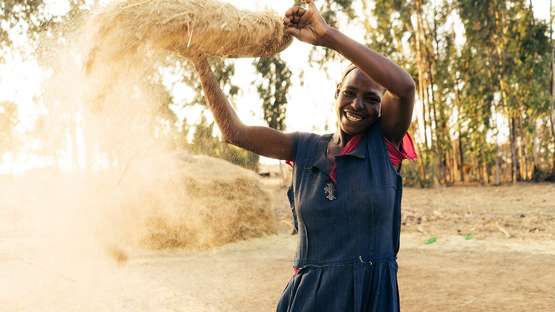
Global Learning Report
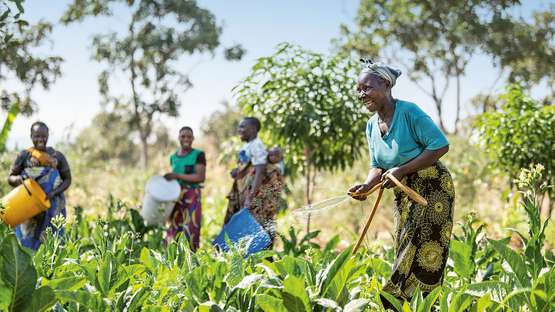
Rebuilding Education Systems
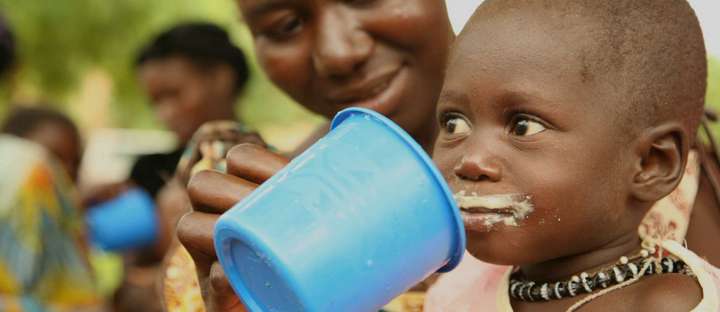
Africa Learns Forward
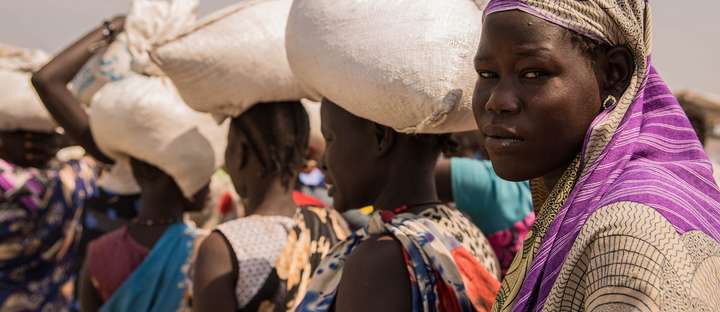
Unaffordable Quality Education
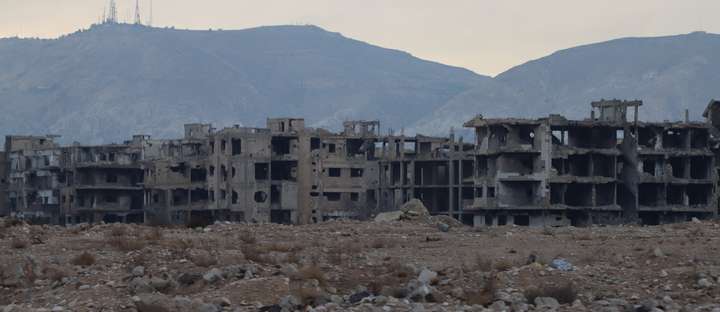
Conflict Disrupts Learning
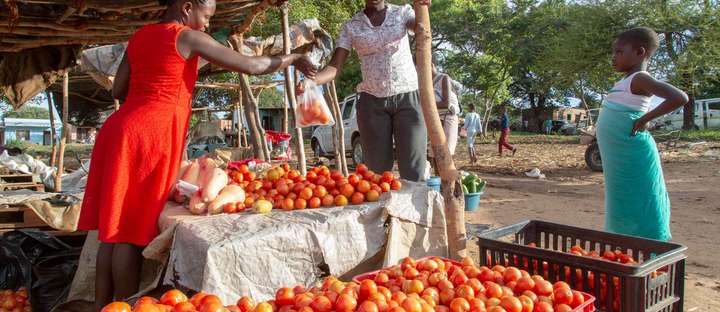
Crisis Causes Dropouts
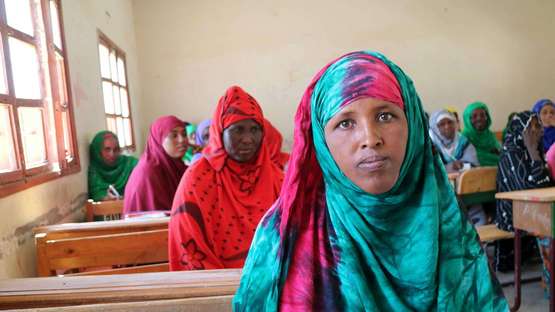
Africa Educates Forward
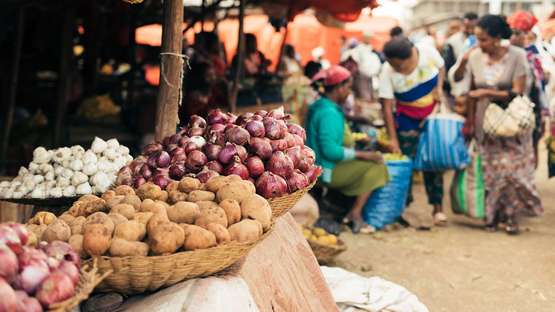
Childhoods Without Classrooms
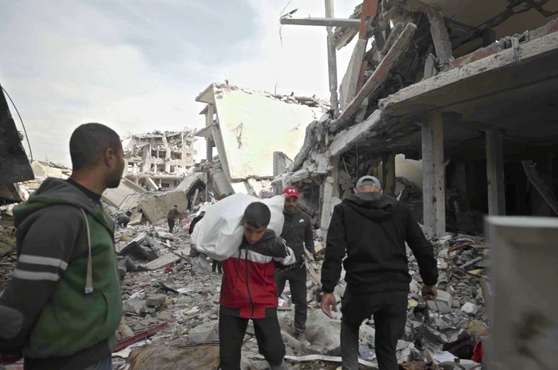
Crisis in Gaza
Gaza is facing a catastrophic education emergency, with thousands of children out of school due to conflict and displacement. ADIYUVA is responding by providing safe learning spaces, educational materials, and psychosocial support.
Crisis Disrupts Malick’s Learning
Malick, an 11-year-old student from a small farming village in Niger, starts each school day without basic learning materials or a trained teacher.